
Roof Replacement with Ice Dam Protection in Clifton, NJ
Clifton · Residential · Architectural asphalt shingles with full eave ice protection
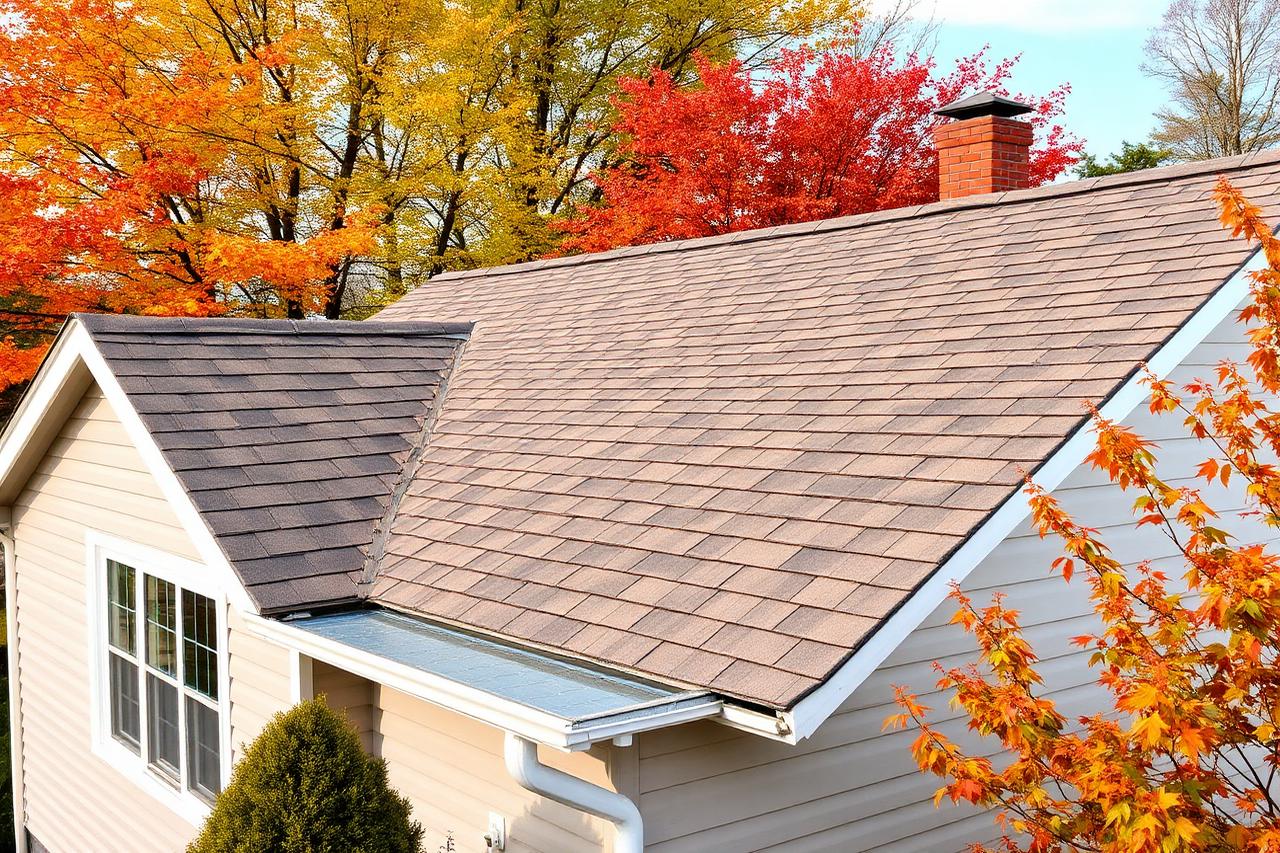
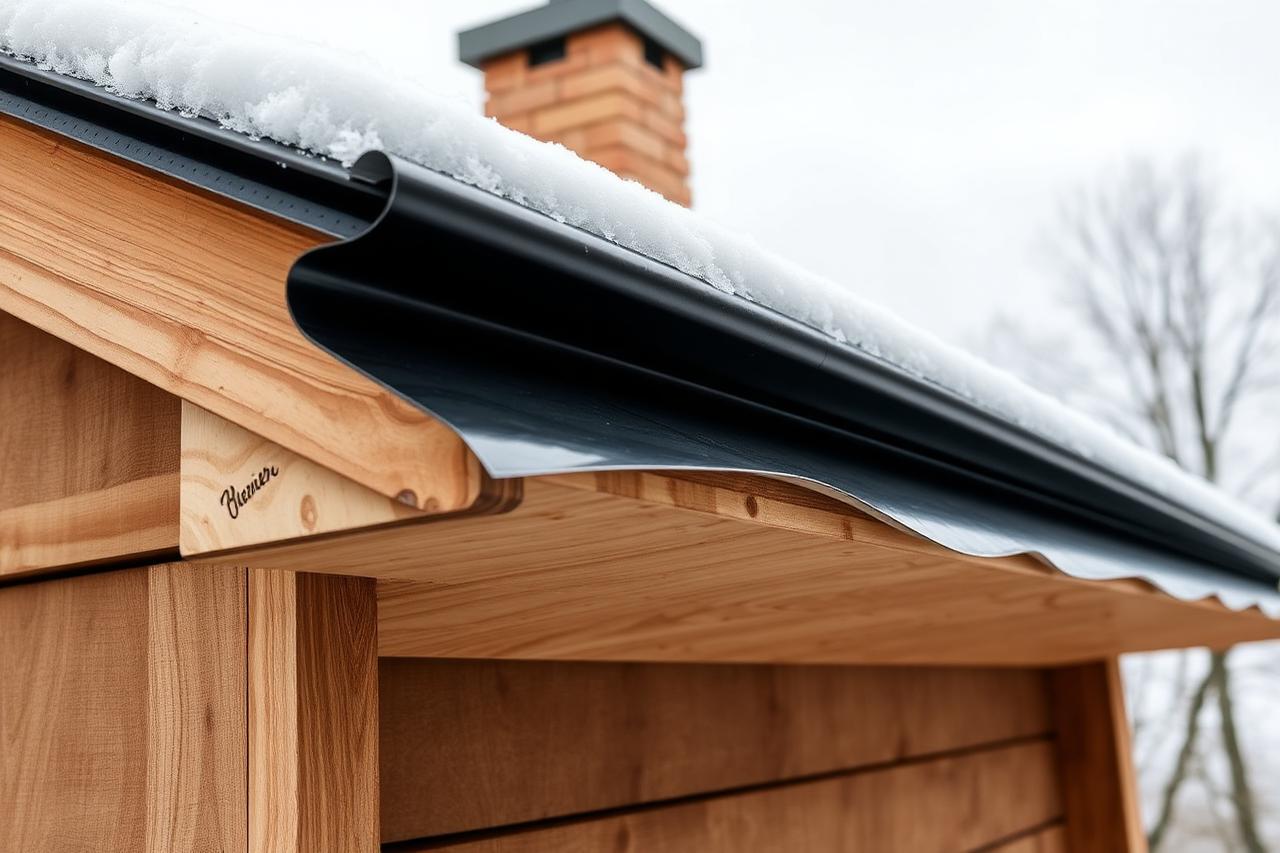
A Clifton cape cod with a history of winter ice dams and interior water staining received a complete roof replacement built specifically around ice protection: widened ice-and-water shield, corrected ventilation, and insulation baffles at the eaves.
The problem
The homeowner had lived with the same February problem for years — icicles hanging off the gutter line, a ridge of ice at the eave, and water finding its way into the soffit and down the interior wall. Ice dams are not a shingle problem. They form when heat escaping into the attic melts snow on the upper roof, the meltwater runs down to the cold overhang, and it refreezes there, building a dam that backs water up under the shingles. Replacing shingles alone would have left the mechanism completely intact, so the scope was written around the cause rather than the symptom.
What the inspection found
- — Water staining on the underside of the roof deck within three feet of the eaves on both slopes
- — Ice-and-water shield either absent or lapped short of the interior wall line
- — Attic insulation pushed hard into the eaves, sealing off soffit intake vents completely
- — Bathroom exhaust fan venting into the attic rather than through the roof, adding moisture and heat
- — Two rafters showing surface mold from repeated winter condensation cycles
What we did
After the tear-off, ice-and-water shield was run from the eave edge to well past the interior wall line — a wider band than code minimum, which is what actually matters on a low-slope overhang in Passaic County. Valleys and penetrations were membrane-lined as well, with synthetic underlayment over the rest of the deck. We pulled the insulation back from the eaves and installed rigid baffles so the soffit vents can breathe, then vented the bathroom fan through a dedicated roof cap with an insulated duct so warm, moist air leaves the building instead of collecting under the deck. A continuous ridge vent was cut in to complete the intake-exhaust path, and the roof was finished in architectural shingles with new drip edge, valley metal, and pipe boots.
Materials: Ice-and-water shield extended past the interior wall line, Synthetic underlayment, Architectural asphalt shingles, Rigid insulation baffles and continuous ridge vent, Insulated bath fan duct with dedicated roof cap · Duration: 2 working days
The result
The attic now runs closer to outside temperature in winter, which is the condition that keeps snow from melting prematurely and refreezing at the overhang. Where ice does form, the membrane band under the shingles is wide enough that backed-up water has nowhere to enter. The moldy rafter surfaces were treated and the moisture source removed at the same time, so the problem is not being sealed in behind new shingles.