
Chimney Flashing Leak Repair in Hackensack, NJ
Hackensack · Residential · Asphalt shingles with metal step and counterflashing
A recurring interior leak in a Hackensack home traced to failed chimney flashing and sealant-only repairs, corrected with new step flashing, cut-in counterflashing, and a rebuilt cricket rather than another bead of caulk.
The problem
Water was appearing on the ceiling of a first-floor living room every time rain came in on a north wind. Two previous contractors had responded by applying roofing cement around the base of the chimney. That approach buys a season at most: roof cement is rigid, the chimney and the roof deck move at different rates through New Jersey's freeze-thaw cycles, and the seal always cracks. The homeowner wanted to know whether the whole roof needed replacing. It did not — the field shingles had years of life left, and the failure was confined to one detail.
What the inspection found
- — Roofing cement applied over the chimney-to-roof joint in at least two prior repairs, now cracked in a ring around the masonry
- — Original step flashing corroded through at three courses on the uphill side
- — No counterflashing cut into the mortar joints — the previous flashing had simply been surface-sealed to the brick
- — No cricket behind the chimney, so runoff was pooling against the upslope face on every rainfall
- — Shingles in the surrounding field sound and well adhered, with no granule loss warranting replacement
What we did
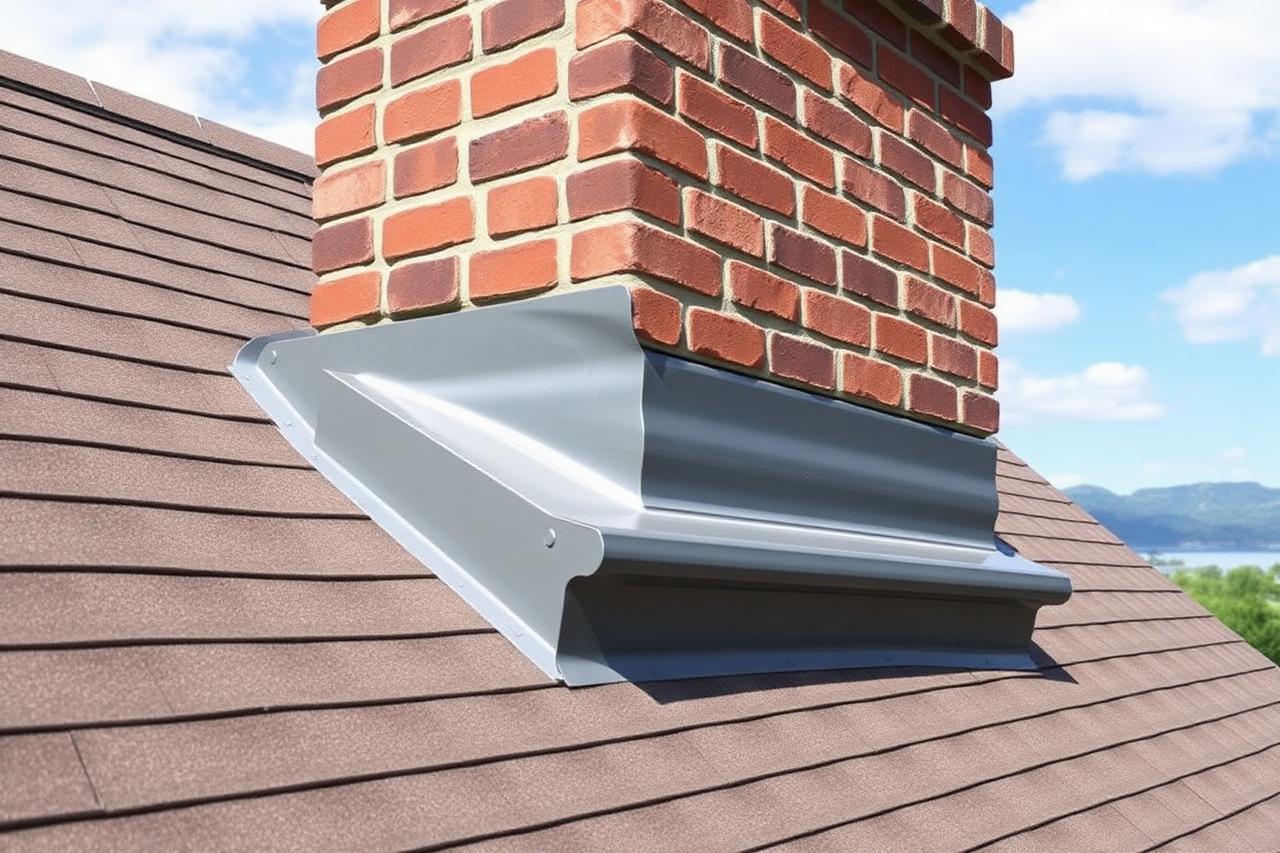
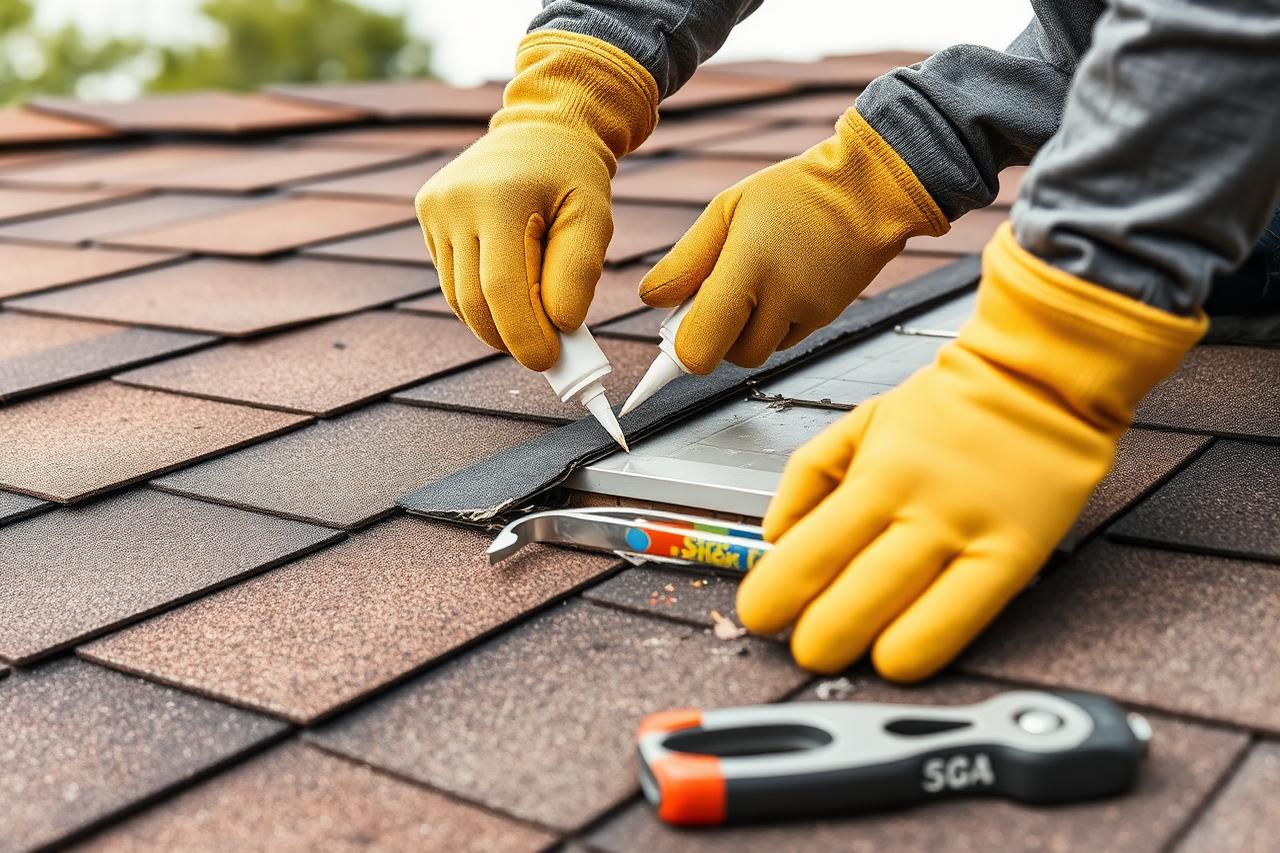
We stripped the shingles back far enough on each side of the chimney to work properly, removed the cement and the corroded flashing, and started the detail over. New aluminum step flashing was woven course by course with the shingles, one piece per course, the way the assembly is designed to work. Counterflashing was cut into the mortar joints with a grinder, set, and sealed with a polyurethane sealant that stays flexible through temperature swings. A saddle cricket was framed and flashed on the uphill side so water is split and carried around the chimney instead of standing against it. Shingles were then re-laid and the exposed fasteners sealed.
Materials: Aluminum step flashing and cut-in counterflashing, Framed and flashed chimney cricket, Ice-and-water shield around the chimney base, Polyurethane flashing sealant, Matched replacement asphalt shingles · Duration: 1 working day
The result
The leak stopped, and it stopped for a structural reason rather than a cosmetic one: water now has a path around the chimney instead of a seal holding it back. The homeowner spent a fraction of the cost of a replacement and kept the remaining service life of a roof that did not need to come off. We documented the detail with photographs at each stage so there is a record of what is behind the shingles.