
EPDM Flat Roof Repair and Drainage Correction in Paterson, NJ
Paterson · Commercial · EPDM rubber membrane
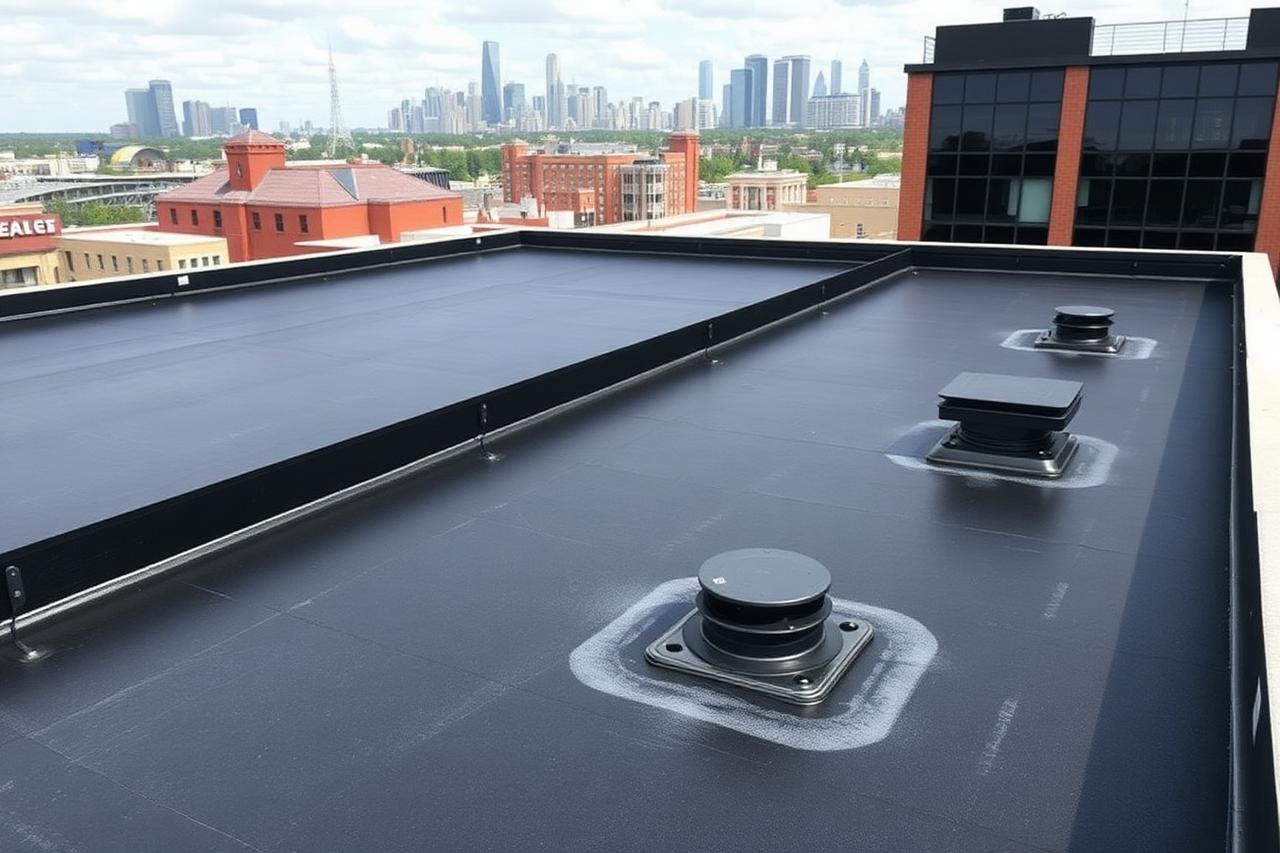
Chronic ponding and seam leaks on a Paterson commercial building's EPDM roof were resolved with targeted seam repairs, new tapered insulation crickets, and two additional drains — extending the life of a membrane that did not need full replacement.
The problem
The owner had been quoted a full roof replacement and wanted a second opinion. The building's EPDM membrane was holding water in two large low spots for days after every rain, and leaks were showing up in a second-floor tenant space. Ponding water is not automatically a membrane failure — it is usually a drainage design problem that shortens membrane life. The distinction determines whether an owner spends on a repair or on a replacement, so the inspection was scoped to answer it before any proposal was written.
What the inspection found
- — Two ponding areas holding water more than 48 hours after rainfall, with visible silt rings
- — Membrane itself supple and largely intact, with adhesion loss confined to seams in the ponding zones
- — Only two roof drains serving a large roof area, both located away from the low points
- — Parapet base flashing lifting along one wall where the termination bar had loosened
- — Core cuts showed insulation dry outside the immediate ponding footprints
What we did
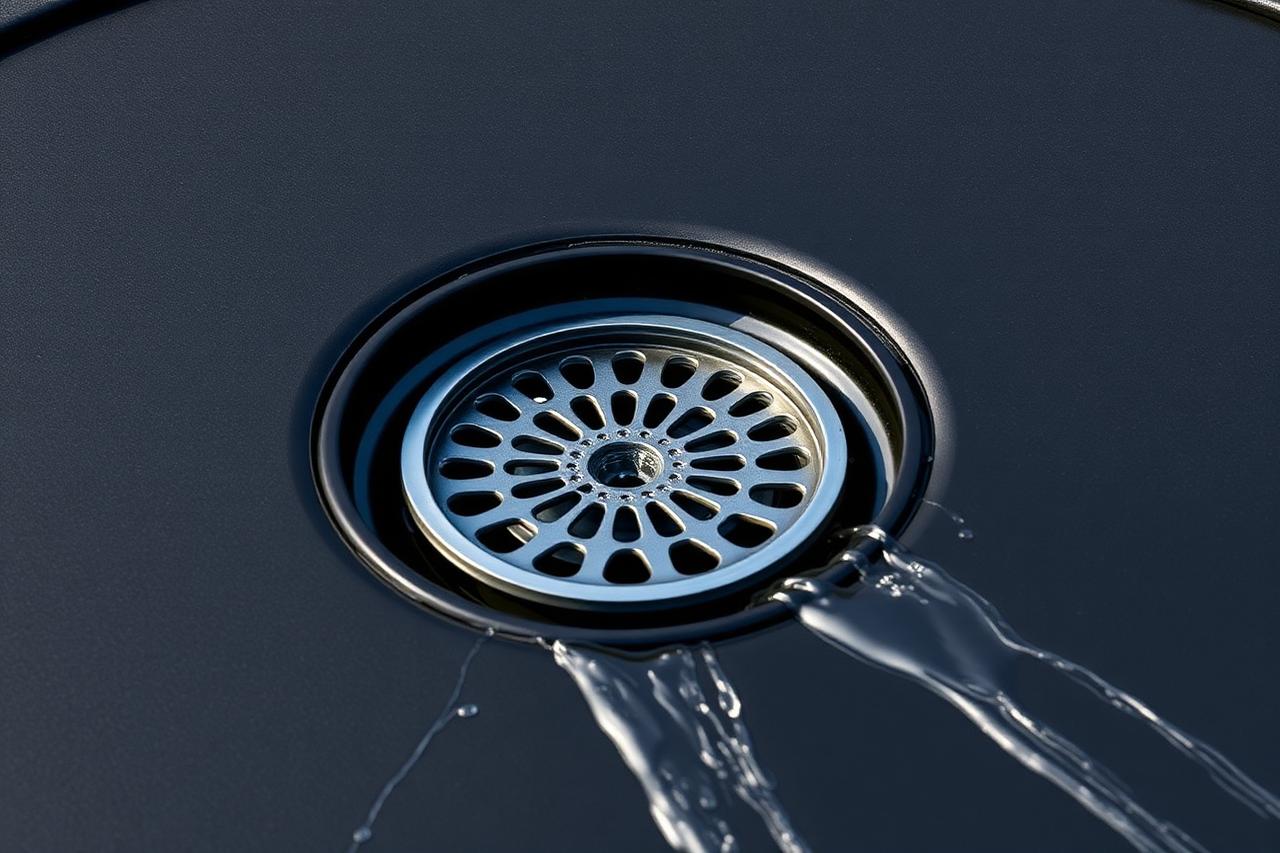
Rather than replace a membrane with years of service left, we corrected what was killing it. Two new drains were cut in at the actual low points and tied into the existing internal leader system. Tapered insulation crickets were installed to move water toward the drains instead of away from them, then covered with new EPDM welded to the existing field with a compatible seam system. Failed seams in the ponding zones were cleaned, primed, and re-covered with EPDM cover tape. The loose parapet base flashing was refastened with a new termination bar and sealed. Finally, a walk pad path was added between the roof hatch and the mechanical units so foot traffic stops abrading the membrane in the same places.
Materials: EPDM cover tape and seam primer, Tapered insulation crickets, Two additional roof drains tied to existing leaders, New termination bar and lap sealant at parapet base flashing, EPDM walk pads at the traffic path · Duration: 4 working days
The result
Standing water clears within hours instead of days, which removes the accelerating factor on the membrane and on the seams. The tenant leak stopped with the seam work, and the owner deferred a full replacement — with a documented condition report establishing where the roof stands and what to watch on the next inspection cycle.